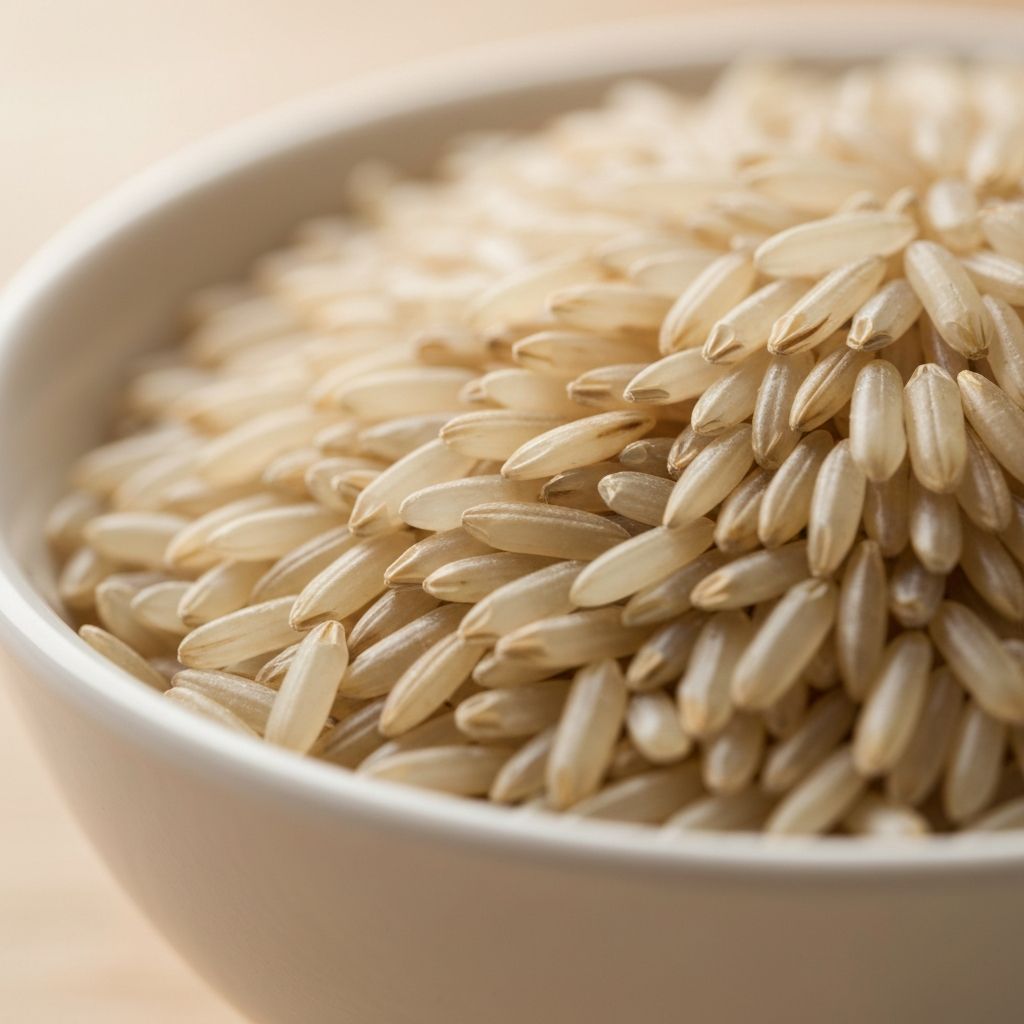
Differences in Metabolic Handling of Simple and Complex Carbohydrates
Introduction
Carbohydrates are classified according to their molecular structure, with important implications for their rate of digestion, absorption, and the patterns of blood glucose and insulin response they produce. This article examines the biochemical and physiological differences in how the body processes simple carbohydrates (monosaccharides and disaccharides) compared to complex carbohydrates (polysaccharides), and discusses the concept of glycaemic index as a measure of carbohydrate quality.
Classification of Carbohydrates
Carbohydrates are classified based on the number of glucose units and their molecular structure:
- Monosaccharides: Single glucose units. Primary examples include glucose, fructose, and galactose. These are absorbed directly without enzymatic breakdown.
- Disaccharides: Two glucose units joined by a glycosidic bond. Examples include sucrose (glucose+fructose), lactose (glucose+galactose), and maltose (glucose+glucose). Disaccharides require brush border enzyme cleavage before absorption.
- Polysaccharides: Long chains of glucose units. Dietary polysaccharides include starch (plant-derived, composed of amylose and amylopectin) and glycogen (animal-derived, though negligible from dietary sources). Polysaccharides require extensive enzymatic breakdown before absorption.
- Fibre: Complex polysaccharides (cellulose, hemicellulose, pectin) and non-carbohydrate compounds (lignin) that are not enzymatically broken down and thus pass through the digestive tract largely intact, being metabolised by colonic bacteria.
Digestion of Simple Carbohydrates
Monosaccharides and disaccharides exhibit rapid absorption with minimal digestive processing required:
- Monosaccharides: Glucose, fructose, and galactose are absorbed directly by enterocytes through specific transporters (SGLT1 for glucose and galactose, GLUT5 for fructose). The term "simple carbohydrate" reflects the fact that these compounds require no enzymatic breakdown before absorption.
- Disaccharides: Sucrose is cleaved by sucrase in the brush border, yielding glucose and fructose, which are then absorbed. Lactose is cleaved by lactase, yielding glucose and galactose. Maltose is cleaved by maltase, yielding two glucose molecules. These brush border enzymes are present on the surface of enterocytes and catalyse rapid cleavage and absorption.
"Simple carbohydrates enter the bloodstream rapidly due to their minimal need for enzymatic breakdown, while complex carbohydrates require extensive digestion, resulting in more gradual glucose absorption."
The rapidity of absorption of simple carbohydrates means they typically produce rapid and pronounced increases in blood glucose and insulin response within 15-30 minutes of consumption.
Digestion of Complex Carbohydrates (Starch)
Starch, the most abundant dietary carbohydrate in most populations, exists in two forms within plant cells:
- Amylose: A linear polymer of glucose units joined by α-1,4-glycosidic bonds, comprising approximately 20-30% of starch.
- Amylopectin: A branched polymer with α-1,4-glycosidic bonds in linear segments and α-1,6-glycosidic bonds creating branch points, comprising approximately 70-80% of starch.
Starch digestion occurs progressively:
- Salivary Amylase: Begins starch breakdown in the mouth, cleaving α-1,4-bonds and producing dextrins and oligosaccharides. Salivary amylase is inactivated by gastric acid in the stomach.
- Pancreatic Amylase: In the small intestine, pancreatic amylase continues starch breakdown, again producing dextrins and oligosaccharides.
- Brush Border Enzymes: Maltase, isomaltase, and sucrase-isomaltase further cleave the remaining oligosaccharides to glucose, which is then absorbed.
The progressive nature of starch digestion means that glucose absorption from starch-containing meals is more gradual than from simple carbohydrates, typically producing a more modest and sustained blood glucose elevation over 1-2 hours.
Factors Affecting the Rate of Carbohydrate Digestion
Even within the category of complex carbohydrates, the rate of digestion and glucose absorption varies substantially based on physical and chemical properties:
- Food Matrix and Fibre Content: Carbohydrates in foods with high fibre content show slower digestion. Whole grains retain bran and germ, which contain insoluble fibre that physically slows gastric emptying and carbohydrate digestion rate. Refined grains have had fibre removed, increasing digestion rate.
- Starch Crystallinity and Gelatinisation: Raw starch is crystalline and resistant to enzymatic breakdown. During cooking, starch granules absorb water, swell, and become gelatinised, making the starch more accessible to amylase. Thus, cooked starch is digested more rapidly than raw starch.
- Amylose-to-Amylopectin Ratio: Amylose is more resistant to enzymatic breakdown than amylopectin. Foods with higher amylose content (e.g., certain varieties of rice and potatoes) show slower digestion and lower glycaemic response than foods with higher amylopectin content.
- Preparation and Processing: Particle size, homogenisation, and thermal processing all influence digestion rate. Finely ground grains are digested more rapidly than coarsely ground or intact grains.
- Co-ingested Macronutrients: The presence of fat and protein in a meal slows gastric emptying and reduces the rate of carbohydrate digestion, resulting in more gradual blood glucose elevation.
- Individual Variation in Digestive Capacity: Enzymatic activity, gastric pH, intestinal motility, and transit time vary among individuals and contribute to variable digestion rates of the same food.
Glycaemic Index and Glycaemic Response
The concept of glycaemic index (GI) was developed to quantify the blood glucose response to carbohydrate-containing foods relative to a reference (typically white bread or pure glucose). Glycaemic index is defined as the area under the blood glucose curve (AUC) following consumption of a standardised portion of a test food (containing 50 grams of available carbohydrate) divided by the AUC following consumption of the same amount of carbohydrate from the reference food, multiplied by 100.
- High GI: GI > 70 (e.g., white bread, glucose, rice crackers). High-GI foods produce rapid and pronounced blood glucose elevation.
- Medium GI: GI 56-69 (e.g., whole wheat bread, basmati rice, many fruits).
- Low GI: GI < 55 (e.g., oats, legumes, non-starchy vegetables). Low-GI foods produce more gradual and modest blood glucose elevation.
The practical significance of glycaemic index is that low-GI foods may produce more stable blood glucose patterns and sustained satiety compared to high-GI foods, potentially influencing energy intake patterns and long-term metabolic health. However, GI is determined under standardised laboratory conditions (fasting state, glucose drink reference) and may not predict individual responses in real-world contexts where foods are combined and consumed with other macronutrients.
Individual Variation in Carbohydrate Responses
Despite standardised glycaemic index values, substantial individual variation exists in the blood glucose and insulin response to identical carbohydrate-containing foods. This variation arises from multiple sources:
- Insulin Sensitivity: Individuals with high insulin sensitivity show more efficient glucose clearance and lower glucose and insulin peaks following carbohydrate intake.
- Gastric Emptying Rate: Individual differences in stomach motility and the rate at which food enters the small intestine contribute to variation in glucose absorption rate and blood glucose response curves.
- Intestinal Microbiota: The composition of colonic bacteria influences the fermentation of non-digestible carbohydrate and fibre, potentially affecting insulin sensitivity and systemic metabolic factors.
- Metabolic Flexibility: Individuals with high metabolic flexibility (able to efficiently switch between carbohydrate and fat oxidation) may show different glucose response patterns compared to those with limited metabolic flexibility.
- Recent Dietary and Activity Patterns: Individuals consuming high-carbohydrate diets or engaging in regular endurance exercise show different glycaemic responses compared to sedentary individuals or those on low-carbohydrate diets.
This individual variation emphasizes that glycaemic response to carbohydrates is not a fixed property of the food alone but reflects the interaction between food composition and individual biological factors.
Practical Implications
The differences in metabolic handling of simple versus complex carbohydrates have practical implications:
- Satiety and Energy Intake: Complex carbohydrates, particularly those with high fibre content, produce more sustained satiety due to slower glucose absorption and more gradual insulin signalling. This may support energy balance by reducing the rate of hunger return between meals.
- Glucose Stability: Individuals with impaired glucose tolerance or type 2 diabetes may achieve better glycaemic control with low-glycaemic-index carbohydrates.
- Exercise Context: During or after exercise, rapidly absorbed simple carbohydrates can more quickly replenish muscle glycogen and provide immediate energy. In resting contexts, complex carbohydrates may be more appropriate for sustained energy and satiety.
- Nutrient Density: Complex carbohydrate sources (legumes, whole grains, vegetables) typically contain higher amounts of fibre, vitamins, and minerals compared to simple carbohydrate sources (refined sugars, fruit juices), making complex carbohydrates nutritionally superior from a micronutrient standpoint.
Summary
Simple and complex carbohydrates differ fundamentally in their digestion kinetics, with simple carbohydrates absorbed rapidly and complex carbohydrates absorbed more gradually. This difference in absorption rate produces different patterns of blood glucose and insulin response. The concept of glycaemic index provides a quantitative framework for comparing the blood glucose effects of different foods.
However, individual variation in carbohydrate responses is substantial, influenced by insulin sensitivity, digestive physiology, metabolic fitness, and other factors. Practical dietary choices can usefully incorporate knowledge of glycaemic index, food fibre content, and nutrient density, with the recognition that optimal carbohydrate sources and timing vary based on individual metabolic factors and activity context.